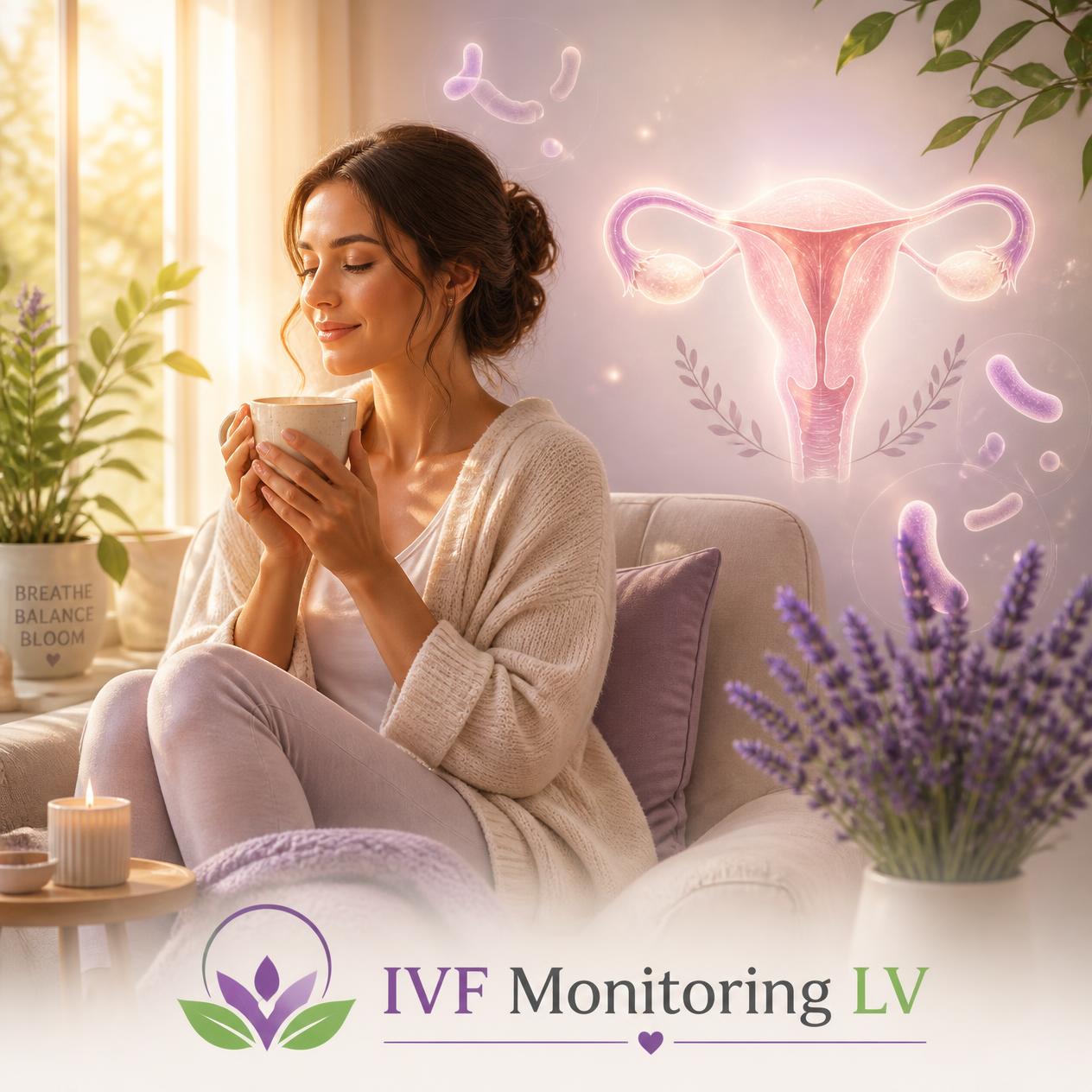
Can Stress Affect the Endometrial Microbiome?
Can Stress Affect the Endometrial Microbiome?
Beginning an IVF journey can be exciting, but it can also bring uncertainty, emotional ups and downs, and stress. Many patients wonder whether stress itself can affect fertility or even influence the endometrial microbiome.
The relationship between stress and reproductive health is complex. While stress alone is not considered a direct cause of infertility, researchers are exploring how chronic stress may influence the body's immune system, hormone regulation, and the balance of beneficial bacteria throughout the body—including the reproductive tract.
What Is the Endometrial Microbiome?
The endometrial microbiome is the community of microorganisms that naturally lives within the lining of the uterus. A healthy microbiome is generally characterized by a predominance of beneficial bacteria, particularly Lactobacillus species, although research in this field continues to evolve.
Scientists believe these microorganisms may contribute to maintaining a healthy uterine environment that supports embryo implantation.
How Can Stress Affect the Body?
When we experience stress, our bodies release hormones such as cortisol and adrenaline. Short-term stress is a normal response and usually resolves without lasting effects. However, ongoing or chronic stress can influence several systems that are important during fertility treatment, including:
Immune system function
Hormone balance
Sleep quality
Inflammation
Overall physical well-being
These changes may indirectly influence the body's microbial communities.
What Does Research Suggest?
Researchers are actively studying whether stress-related changes in the body can influence the endometrial microbiome.
Some studies suggest that chronic stress may contribute to shifts in bacterial balance by affecting immune function and inflammation. However, scientists have not yet established a direct cause-and-effect relationship between stress and changes in the uterine microbiome.
Much remains to be learned, and current evidence does not support blaming stress as the reason IVF treatment succeeds or fails.
Managing Stress During IVF
While eliminating stress completely isn't realistic, many patients find it helpful to develop healthy coping strategies, such as:
Regular gentle exercise
Adequate sleep
Mindfulness or meditation
Deep breathing exercises
Counseling or support groups
Acupuncture, when appropriate, as part of an overall wellness plan
These approaches can improve overall well-being during what is often an emotionally demanding experience.
The Bottom Line
Current research suggests that stress may influence several biological systems that interact with the body's microbial communities, but scientists are still investigating whether these changes directly affect the endometrial microbiome.
The most important message is this: IVF is complex, and treatment outcomes depend on many factors. Patients should not blame themselves if they experience stress during treatment.
Continuing to care for both your physical and emotional health is an important part of the IVF journey.
Final Thoughts
The science of the endometrial microbiome is evolving rapidly, and researchers continue to discover new insights about its potential role in fertility and IVF. While there is still much to learn, understanding these concepts can help you have more informed conversations with your fertility team and feel more confident throughout your IVF journey.
Want to Learn More?
If you've ever left a fertility appointment wishing someone had explained everything in plain English, The IVF Clinical Guide was written for you.
Written by Joyce Edwards, RDMS, L.Ac., this guide explains fertility testing, ultrasound monitoring, hormone levels, embryo development, IVF procedures, and the medical terminology your fertility team uses—so you can better understand your treatment and make informed decisions every step of the way.
📘 Learn more about The IVF Clinical Guide:
https://ivfmonitoringlv.com/ivfclinicalguide