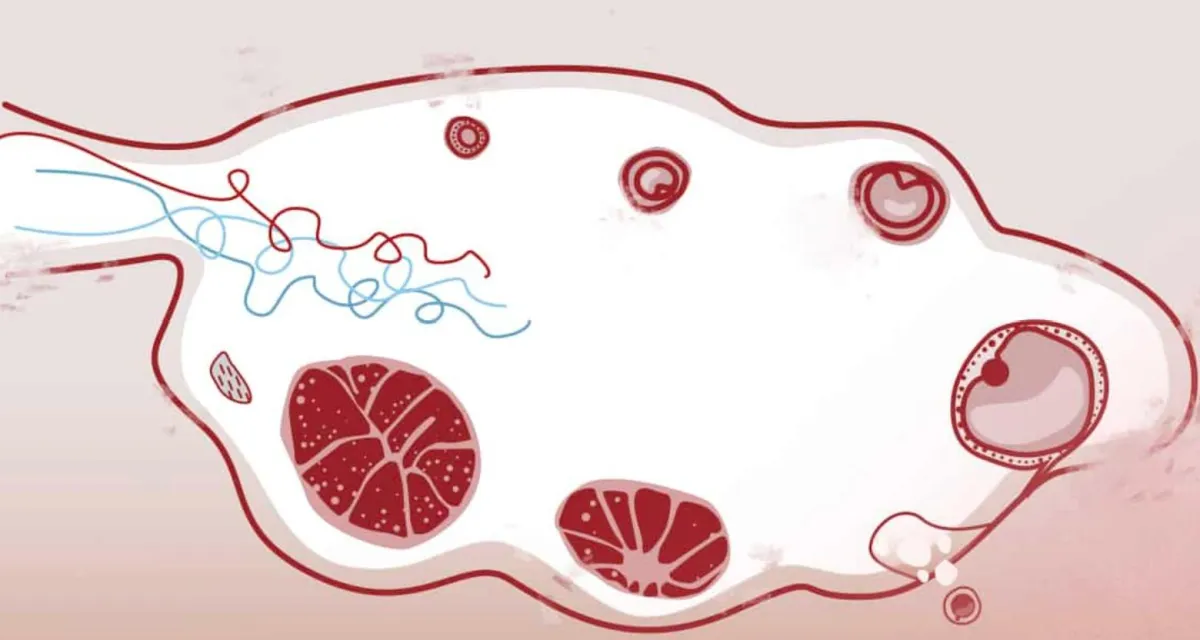
Ovulation: The Main Event
Ovulation: The Main Event
So far, we've covered how your brain kickstarts the menstrual cycle and how a single follicle prepares an egg for its big debut. Now, we arrive at the moment all this preparation has been leading up to: ovulation. This is the main event of your fertile window and the absolute key to conception.
In the days leading up to ovulation, the maturing dominant follicle has been producing large amounts of estrogen. When estrogen levels reach their peak, it sends a powerful signal to the pituitary gland in your brain. This time, the message is different. Instead of suppressing hormones, the high estrogen level triggers a dramatic surge of another hormone: Luteinizing Hormone (LH).
This LH surge is the direct trigger for ovulation. It’s a short, sharp spike in LH that tells the dominant follicle to rupture and release its mature egg. This release is ovulation. The entire event happens quickly—the LH surge typically lasts for about 24 to 36 hours, with ovulation occurring about 10 to 12 hours after the LH peak.
Once released from the ovary, the egg is gently swept into the nearby fallopian tube. This is where the magic needs to happen. The egg is only viable for about 12 to 24 hours after it's released. This is a very short window, which is why timing intercourse correctly is so important for getting pregnant.
Because sperm can survive in the female reproductive tract for up to five days, your most fertile time (your "fertile window") includes the five days before ovulation and the day of ovulation itself.
Understanding the LH surge is also the science behind how ovulation predictor kits (OPKs) work. These simple home tests detect the spike in LH in your urine, giving you a heads-up that you are in your most fertile period and that ovulation is just around the corner.
Next, we'll look at what happens to the uterine lining, which has been preparing for this moment all along.

