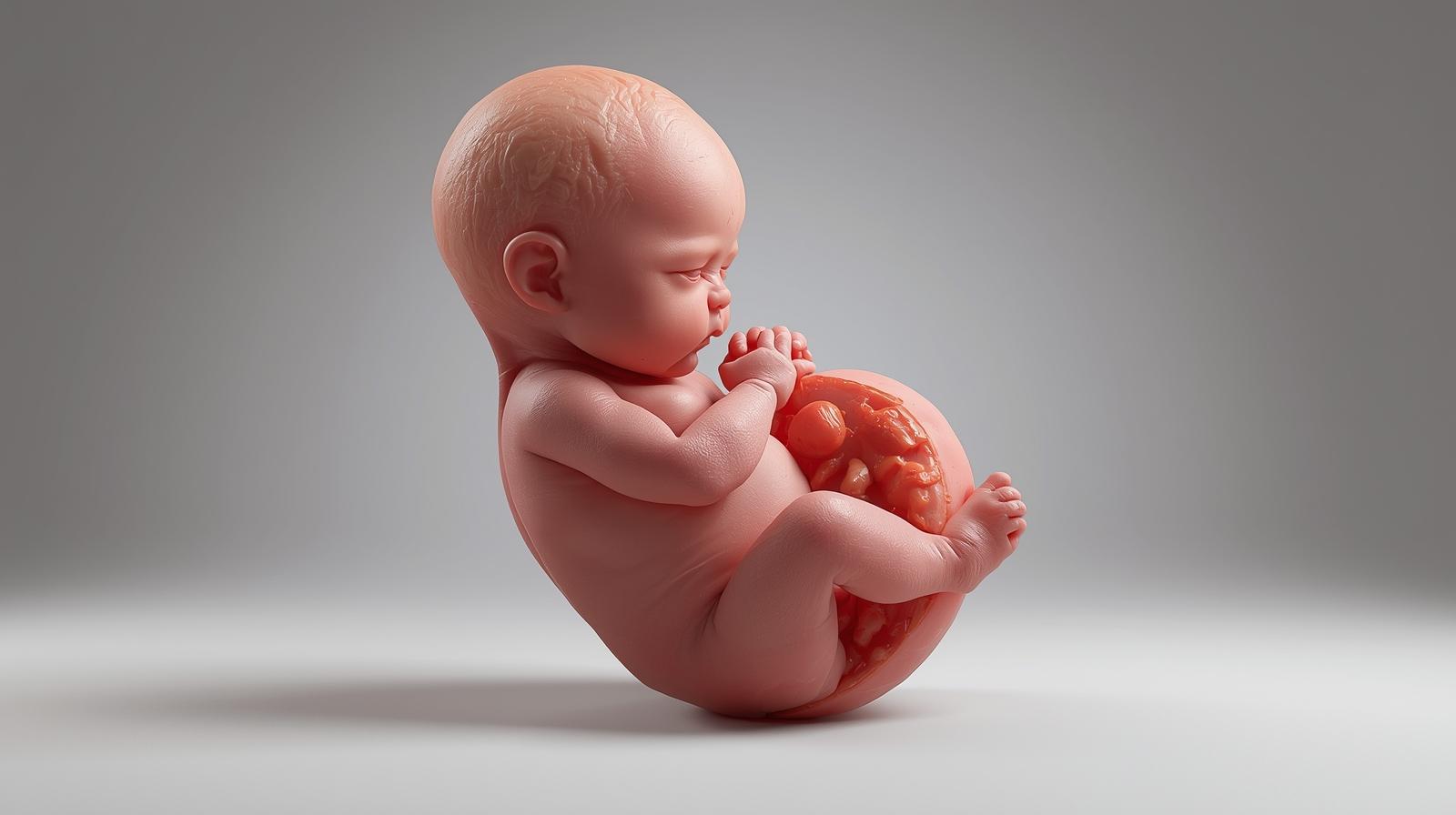
The Big Scan and Feeling the Flutters (Weeks 19-22)
As you settle into the second trimester, you'll approach milestones that make the pregnancy feel incredibly real. These are the moments you'll remember for a lifetime: the detailed anatomy scan and feeling your baby's first movements.
Sometime around week 20, you will have the anatomy scan, the most detailed ultrasound of your pregnancy. During this 30- to 60-minute appointment, a sonographer will use a standard 2D ultrasound to carefully examine the baby's health. They will look at:
The Heart:Checking its four chambers, valves, and the rhythm of the heartbeat.
The Brain:Ensuring its structures are developing normally.
The Skeleton:Measuring bones and checking for all limbs, fingers, and toes.
The Organs:Visualizing the stomach, kidneys, and bladder to ensure they are functioning.
The Placenta and Fluid:Assessing the placenta's location and the amount of amniotic fluid.
This scan provides crucial medical information, and for parents, it's a breathtaking opportunity to see their baby in detail. It's also when you can often find out the baby's sex, if you choose.
You may have also heard about 3D and 4D ultrasounds. A 3D ultrasound takes thousands of 2D images and stitches them together to create a still, three-dimensional image of your baby, showing their facial features more clearly. A 4D ultrasound adds the dimension of time, creating a live video where you can see your baby move, yawn, or suck their thumb in 3D. While not medically necessary, many parents choose to have these done at private clinics later in the second or early third trimester for a powerful bonding experience.
Around this same time, you may feel your baby's first movements, known as "quickening." These initial sensations are very subtle. Many women describe them not as a kick, but as gentle "flutters," like butterflies in their stomach, a soft tapping, or even a gas bubble. At first, you might only feel them when you are sitting quietly, and they can be sporadic. For first-time mothers, this often happens closer to week 22.
These first flutters are the beginning of a new way to bond with your baby—a gentle, tangible reminder of the little person growing inside.

