The Endometrial Lining: Building a Welcoming Home
The Endometrial Lining: Building a Welcoming Home
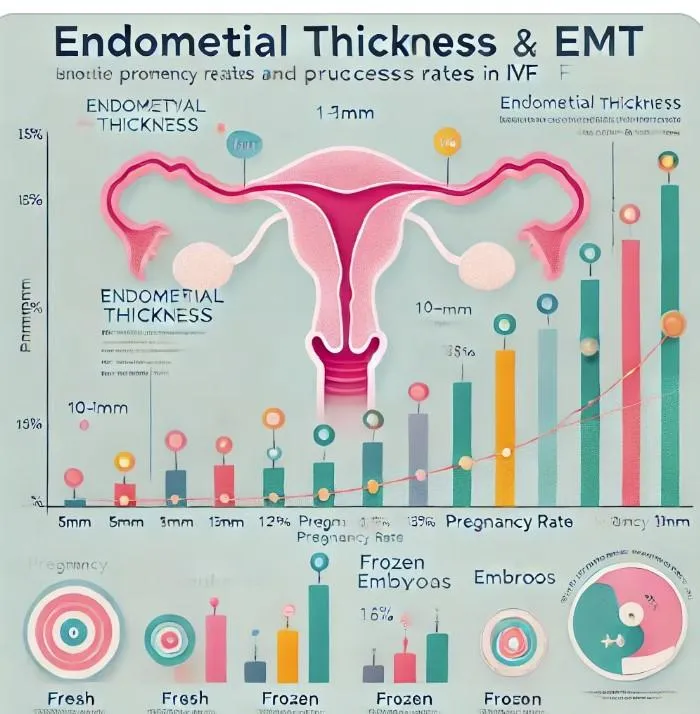
While the brain and ovaries are busy preparing and releasing an egg, another critical process is happening in parallel inside your uterus. The uterine lining, known as the endometrium, is diligently preparing a soft, nourishing, and welcoming home for a potential embryo. This preparation is just as important as ovulation itself.
Think of the endometrium as the soil in a garden. For a seed to grow, the soil must be rich and receptive. Similarly, for a fertilized egg to implant and develop, the endometrium must be perfectly prepared.
This preparation process starts early in the follicular phase, right after your period ends. The rising levels of estrogen, produced by the growing ovarian follicle we discussed in Post 2, are the primary architect of this process. Estrogen signals the cells of the endometrium to multiply, causing the lining to thicken and grow. This is called the proliferative phase.
But it's not just about thickness. Estrogen also stimulates the development of a rich network of blood vessels within the lining. This increased blood supply is vital, as it will provide essential oxygen and nutrients to a developing embryo after it implants.
It's important to understand that while the ovaries and the uterus work in perfect sync, they are separate entities. The ovaries are responsible for maturing the egg, while the uterus is responsible for building the "nest." The hormones released by the ovaries (first estrogen, and later progesterone) are the messengers that coordinate this beautiful dance. If the hormonal signaling is off, the endometrium may not be ready, even if ovulation occurs perfectly.
By the time ovulation happens, the endometrium has become a lush, multi-layered, and blood-rich environment. It is primed and waiting. In our next post, we will explore what happens after ovulation and how a new hormone enters the scene to make this lining fully receptive for implantation.

