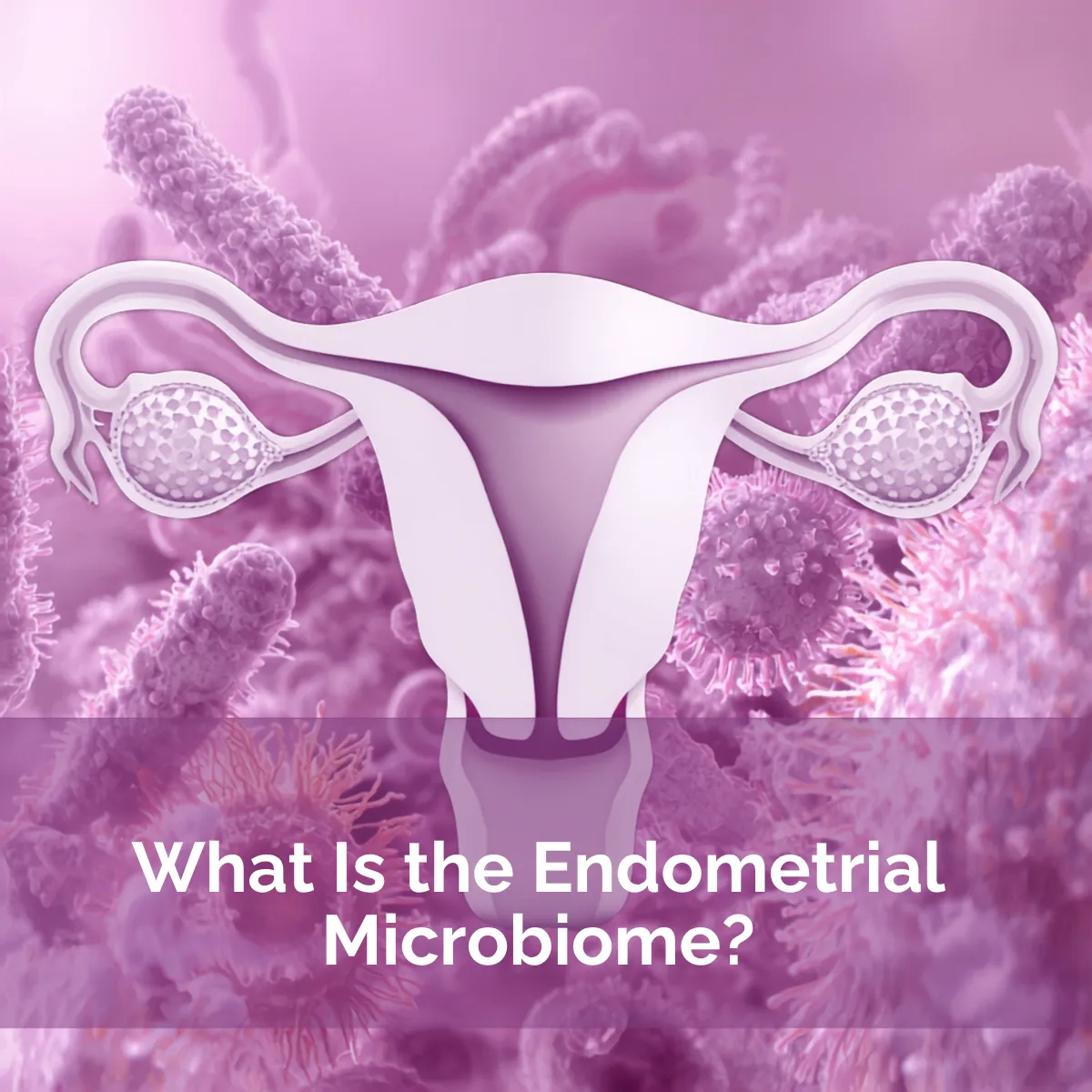
The Fertility Microbiome Series: What Is the Endometrial Microbiome?
The Fertility Microbiome Series: What Is the Endometrial Microbiome?
By Joyce Edwards, RDMS, L.Ac.
Founder, IVF Monitoring LV
Over the past 45 years, I've had the privilege of working with women at every stage of their reproductive journey. As a Registered Diagnostic Medical Sonographer (RDMS) and Licensed Acupuncturist (L.Ac.), I've witnessed remarkable advances in fertility care and reproductive medicine.
One of the newest and most exciting areas of research is the endometrial microbiome.
For many years, the uterus was believed to be a sterile environment. Today, researchers are discovering that the uterine lining may contain its own community of microorganisms, and these microorganisms may play a role in fertility, implantation, and pregnancy outcomes.
While this field is still evolving, many patients are asking important questions:
Could the endometrial microbiome affect IVF success?
What is Lactobacillus dominance?
Should I consider microbiome testing?
Can the uterine environment influence implantation?
Let's explore what researchers currently know about the endometrial microbiome and why it has become one of the most talked-about topics in fertility medicine.
What Is the Endometrium?
The endometrium is the inner lining of the uterus. Each month, this lining thickens in preparation for a potential pregnancy.
If fertilization occurs, an embryo must successfully implant into the endometrium for pregnancy to begin. A healthy endometrium is essential for implantation and early pregnancy development.
Because implantation is such a critical step in reproduction, researchers continue to study factors that may affect the health and receptivity of the uterine lining.
What Is a Microbiome?
A microbiome is a community of microorganisms that naturally live in a specific area of the body.
These microorganisms include:
Bacteria
Viruses
Fungi
Other microscopic organisms
Many of these organisms are beneficial and help support normal body functions. The gut microbiome is perhaps the best-known example, but scientists have discovered microbiomes throughout the body, including the reproductive tract.
What Is the Endometrial Microbiome?
The endometrial microbiome refers to the microorganisms that may be present within the uterine lining.
For decades, the uterus was believed to be completely sterile. Advances in DNA sequencing and molecular testing have challenged that assumption.
Researchers now believe that the uterus may contain a unique microbial environment, although much remains to be learned about its exact role in reproductive health.
Why Are Researchers Interested in the Endometrial Microbiome?
Successful pregnancy depends on many factors, including:
Healthy eggs
Healthy sperm
Healthy embryos
Hormonal balance
Endometrial receptivity
Researchers are investigating whether the endometrial microbiome may be another piece of this complex fertility puzzle.
Some studies suggest that certain bacterial patterns may be associated with better reproductive outcomes, while others may be linked to inflammation or implantation difficulties.
It is important to remember that this area of research is still developing, and scientists continue to study these relationships.
What Is Lactobacillus Dominance?
One of the most discussed bacteria in fertility microbiome research is Lactobacillus.
Lactobacillus species are generally considered beneficial bacteria and are commonly found throughout the female reproductive tract.
Some research suggests that a Lactobacillus-dominant environment may be associated with improved reproductive outcomes. However, researchers are still working to understand exactly how these bacteria influence implantation and pregnancy success.
You'll hear much more about Lactobacillus in future articles in this series.
Can the Endometrial Microbiome Affect Fertility?
This is one of the most exciting questions in reproductive medicine today.
Researchers are currently exploring possible connections between the endometrial microbiome and:
IVF success
Implantation failure
Recurrent miscarriage
Endometrial inflammation
Endometrial receptivity
While early findings are promising, experts agree that more research is needed before definitive conclusions can be made.
The microbiome should be viewed as one potential factor among many that influence fertility outcomes.
How Is the Endometrial Microbiome Evaluated?
Some fertility clinics offer specialized testing designed to evaluate the microorganisms present within the uterine lining.
These tests analyze bacterial DNA and provide information about the types and proportions of bacteria detected.
Testing may be considered in certain situations, particularly for patients experiencing recurrent implantation failure or recurrent pregnancy loss. Patients should discuss the benefits, limitations, and current evidence surrounding these tests with their fertility specialist.
What Does This Mean for Fertility Patients?
The endometrial microbiome represents an exciting new area of fertility research because it focuses on the environment where implantation occurs.
While embryo quality remains critically important, researchers are learning that the uterine environment may also play a role in reproductive success.
As scientific understanding grows, the endometrial microbiome may become an increasingly important component of personalized fertility care.
For now, patients should view this research as promising, while recognizing that many questions remain unanswered.
Key Takeaway
The endometrial microbiome refers to the community of microorganisms that may live within the uterine lining. Researchers are actively studying how these microorganisms may influence fertility, implantation, and pregnancy outcomes.
Although this field is still evolving, it offers a fascinating glimpse into the future of reproductive medicine and personalized fertility treatment.
What's Coming Next?
In future articles in The Fertility Microbiome Series, we'll discuss:
Is the uterus really sterile?
Lactobacillus dominance explained
The vaginal microbiome versus the endometrial microbiome
The EMMA test
The ALICE test
Chronic endometritis
The gut-uterus connection
Microbiome research and IVF success
Stay tuned as we continue exploring this exciting frontier in fertility medicine.
Download the FREE IVF Lab Results Decoder.
Want to understand your fertility treatment? Explore the IVF Clinical Guide.
About Joyce Edwards, RDMS, L.Ac.
Joyce Edwards, RDMS, L.Ac. is the founder of IVF Monitoring LV and brings more than 45 years of healthcare experience to the field of reproductive health. As a Registered Diagnostic Medical Sonographer and Licensed Acupuncturist, Joyce has helped countless women navigate fertility treatment, IVF, and reproductive wellness. Her mission is to provide evidence-informed education that empowers patients to make confident decisions throughout their fertility journey.

